Masia and
Ermita de la Mare de Déu del Roser
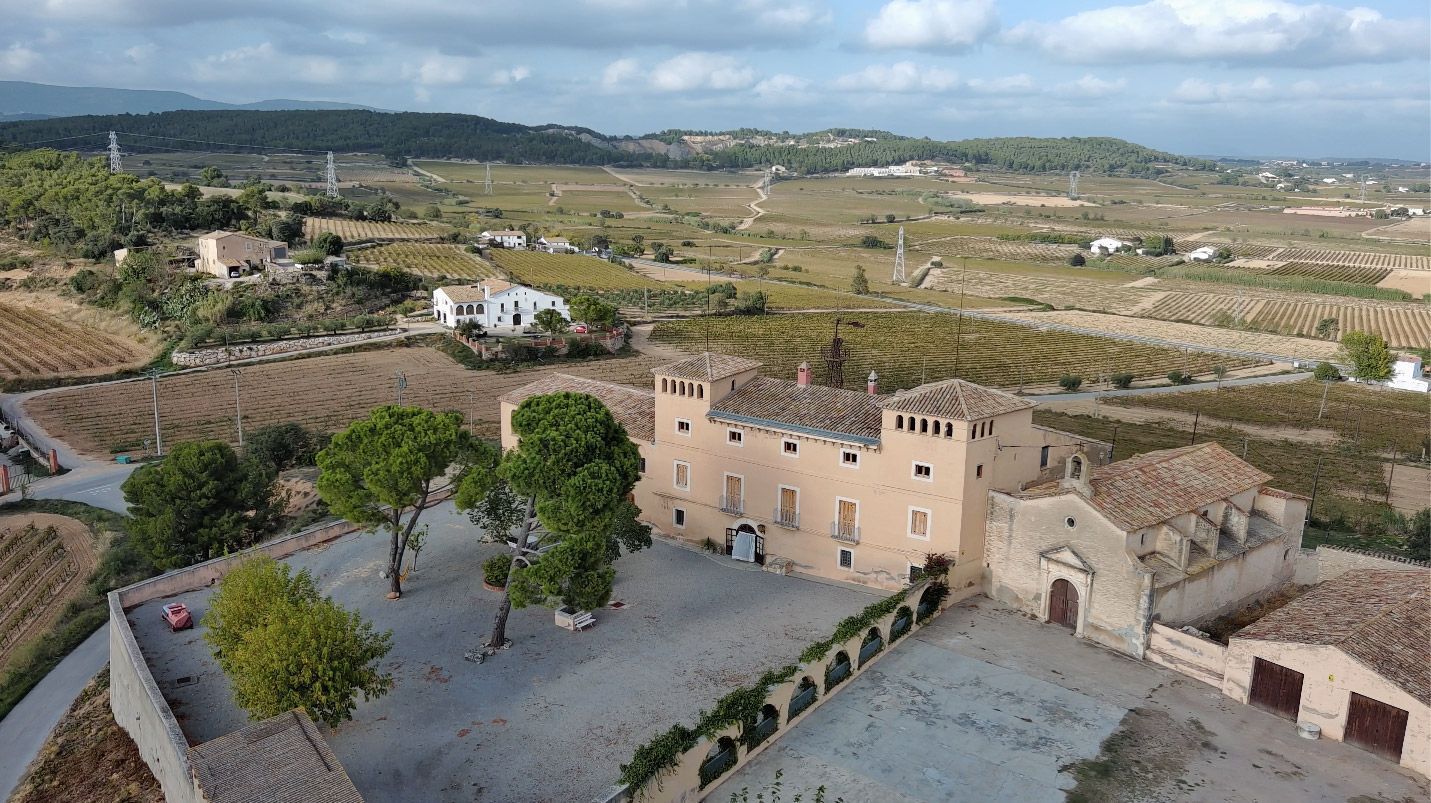
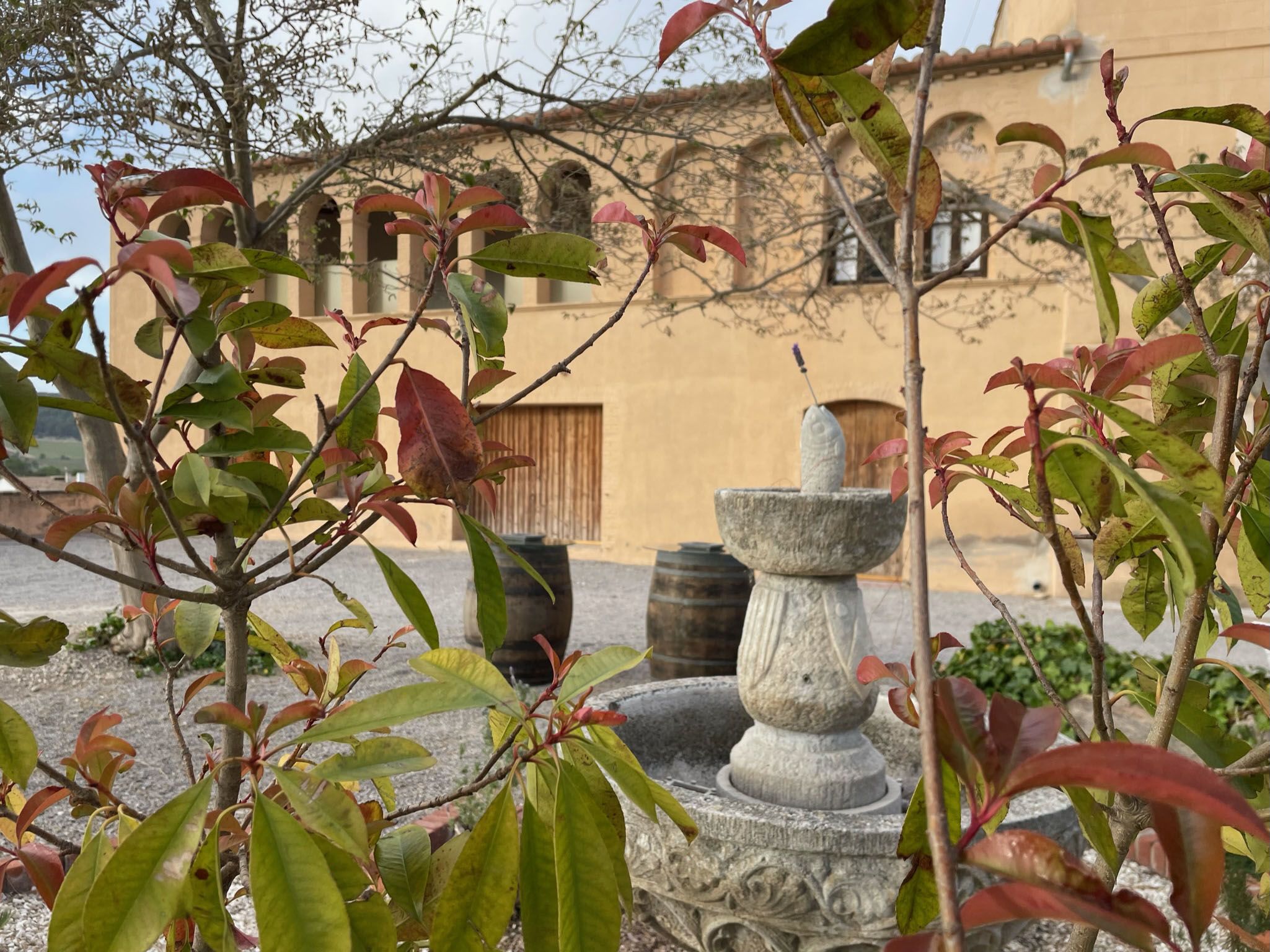
Can Lleó is a historic property owned by the Lleó family, situated in Sant Martí Sarroca. The estate gives its name to one of the village’s neighborhoods and features a traditional Catalan Masia, a country house that includes a 17th-century winery.
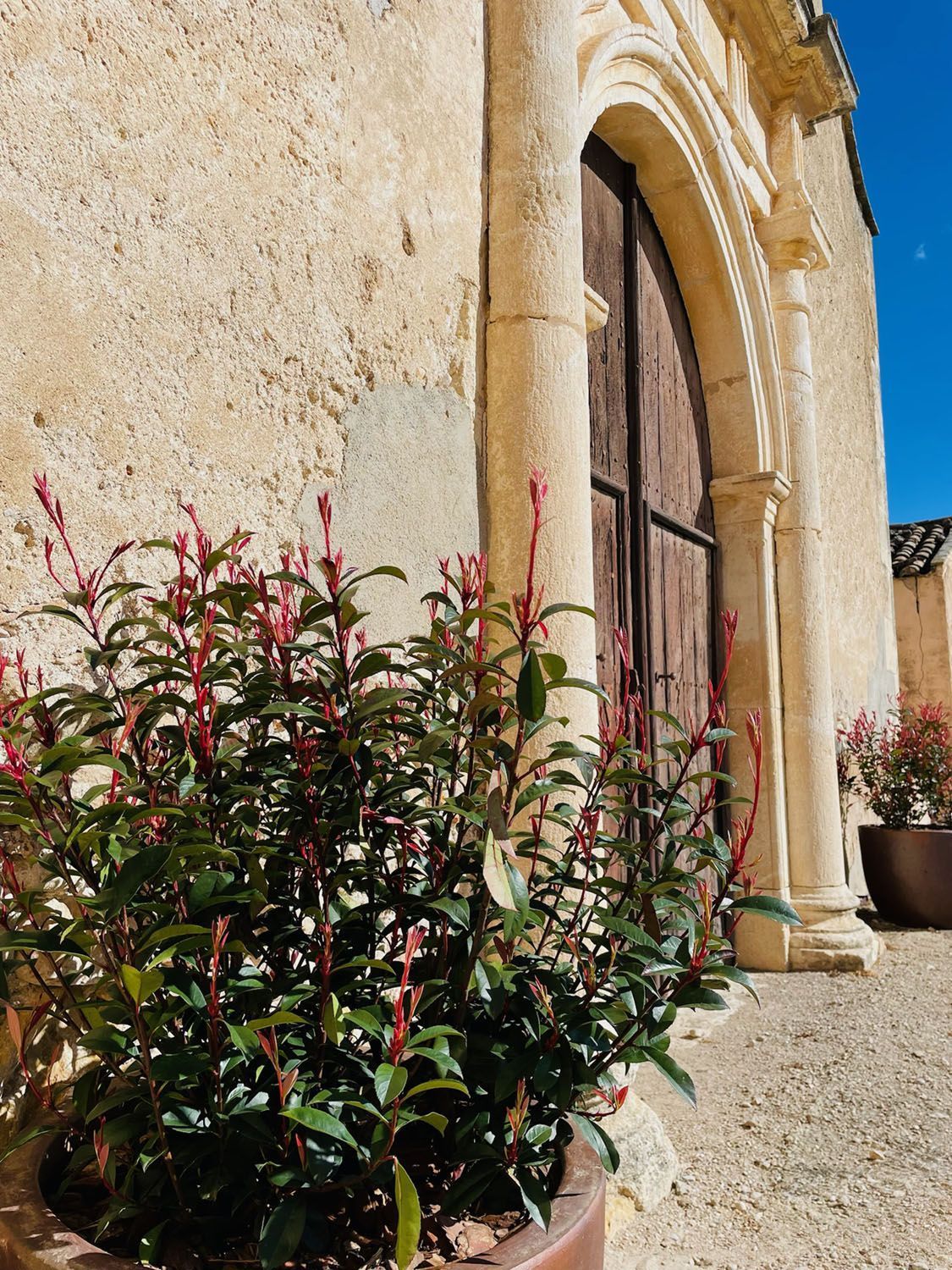
The property also boasts a small church, the Ermita de la Mare de Déu del Roser, built by the family in 1750.
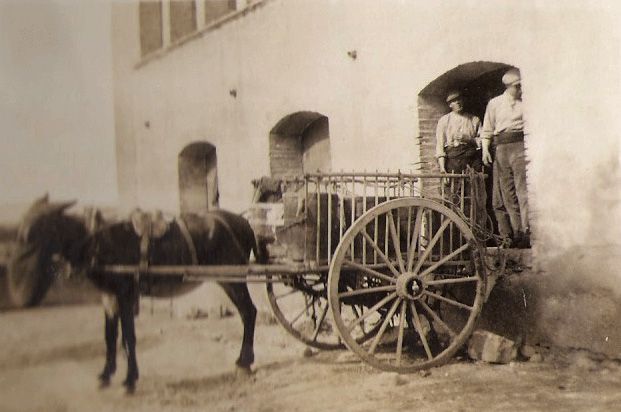
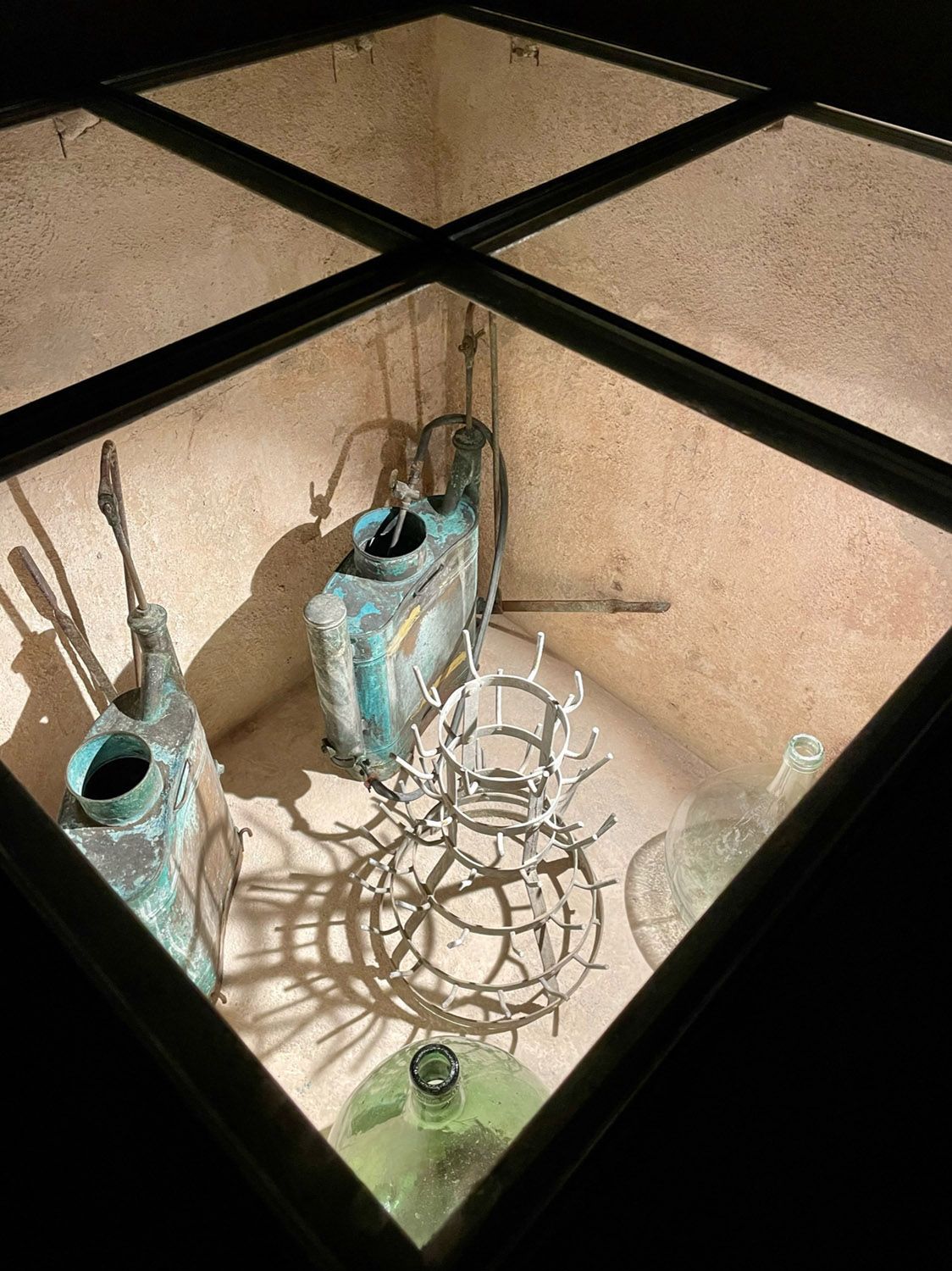
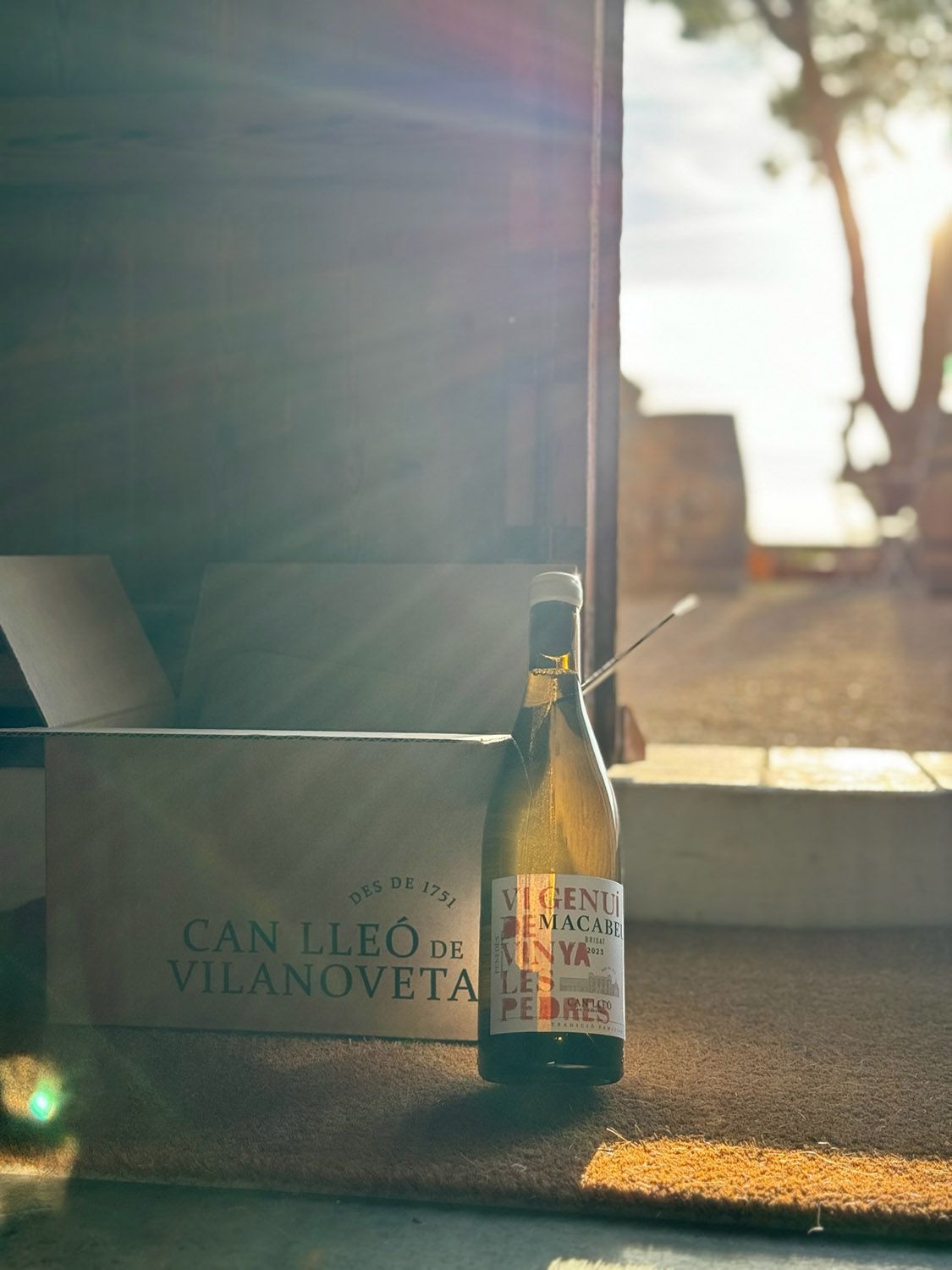
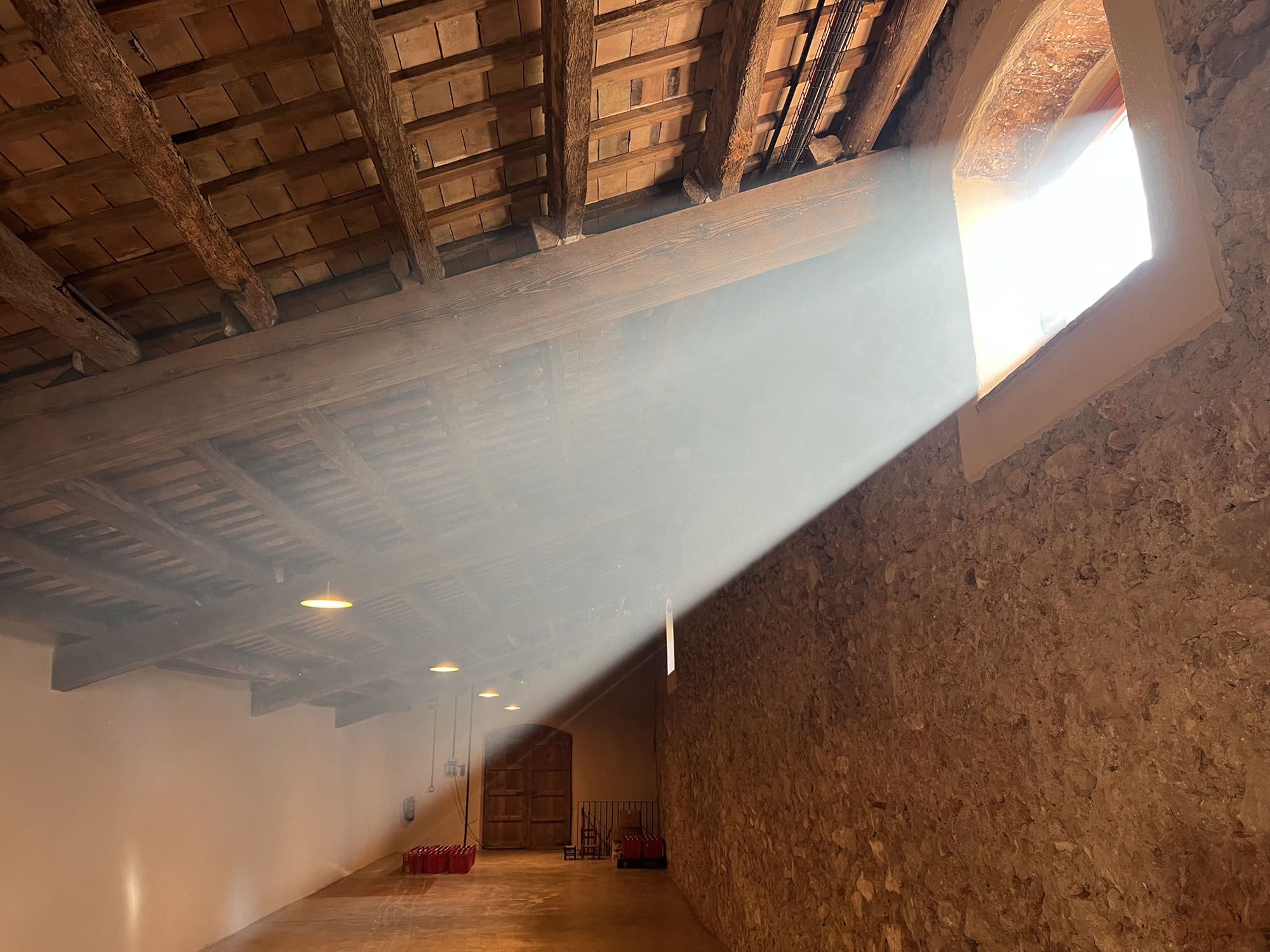
The main house dates to medieval times, while the winery was established in the early 18th century. The earliest record of wine production on the property is an inventory from 1751. Traditionally, the wine was fermented in tanks lined with ceramic (“cairó“) or cement, or in barrels with a capacity of 10 loads (1,200 liters) and was sold in bulk.
The winery operated until 1986. In 2022, the family decided to fulfill their long-held dream of restoring it. That same year, they completed the renovation and revived production under the property’s original name, Can Lleó de Vilanoveta. The project centered on producing wines using traditional methods, honoring the centuries-old heritage of the historic winery.
The Masia de Can Lleó dates to medieval times, with architectural renovations during the 18th and 19th centuries that have shaped its current appearance. The roofs, made of Arabic tiles, were restored in 2017. The main house has a rectangular layout, consisting of a ground floor, two upper floors, and bays. On the top floor, two semicircular galleries lead up to two rising towers. Originally, the Masia included an attached house where the masoveria (caretaker) lived, but this was demolished in 1956.
The main house is connected to the Hermitage of Nostra Senyora del Roser, which was built in 1750 when the property was owned by Jaime Lleó. A family crypt was added in 1766. The hermitage features a single nave with a semicircular apse, and its façade showcases a neoclassical-style portal. During the Spanish Civil War, the hermitage was burned, resulting in the loss of its original baroque altarpiece. In 1941, architect Josep Brugal designed a new neoclassical altarpiece. Today, the hermitage hosts mass during the neighborhood festival and for private events.